Duties of a Marketing Assistant: A Complete 2026 Guide
August 14, 2026

You're probably hiring your first marketing assistant because the work is piling up in places that never look strategic from the outside. The campaign is live, the founder wants a weekly update, social posts still need to go out, and someone has to keep the CRM clean enough that the next report makes sense. That's where the duties of a marketing assistant stop being “extra help” and start becoming the operational layer that keeps marketing moving.
A good assistant sits in the middle of that daily chaos and turns it into order. They're not just posting content or renaming files, they're connecting campaign execution, reporting, research, and coordination so the rest of the team can make decisions faster. In U.S. labor market data, there were over 437,222 marketing assistants employed, and 73.0% of them were women, with an average age of 36. Those figures show how common the role is in real marketing operations, not just in job descriptions (Zippia demographics for marketing assistant jobs).
It's 8:15 a.m., the founder already wants yesterday's campaign numbers, the social calendar needs a last-minute swap, and the CRM still has half the webinar leads sitting in a spreadsheet. A marketing assistant is the person who starts clearing that pile before the rest of the team has even finished coffee. They pull the basic information together, make sure the right version of a report gets sent, and keep small issues from becoming campaign blockers.
A marketing assistant is typically an entry-level but high-utility role that supports campaign execution, reporting, research, and administrative coordination across the marketing team. The work mixes administration with basic analytics, content coordination, and cross-functional communication, which is why the role is often the operational backbone of the function rather than a clerical side task (Zippia demographics for marketing assistant jobs).
That combination matters because the assistant often sits between specialists and the marketing manager. A content writer may draft the copy, a designer may build the asset, and a manager may approve the plan, but the assistant is usually the one who keeps the moving parts aligned. For a useful comparison with a more specialized execution role, see digital media buyer role explained, which shows how paid media work narrows into channel ownership while the assistant stays broader.
The job exists because marketing teams create more work than one manager can cleanly track by hand. Job descriptions from major employers consistently assign the assistant responsibility for tracking campaign KPIs, preparing reports, managing CRM databases, updating social media and content, and helping with events or promotional materials. That makes the role feel a bit like a Swiss Army knife, useful because it can handle several small but important jobs well enough to keep the whole machine running.
The key misunderstanding is thinking the role is mostly clerical. In practice, it's a blend of coordination, content support, and lightweight performance work. That's why strong assistants are valuable to founders and marketing managers. They reduce friction, protect deadlines, and keep campaign details from falling through the cracks.
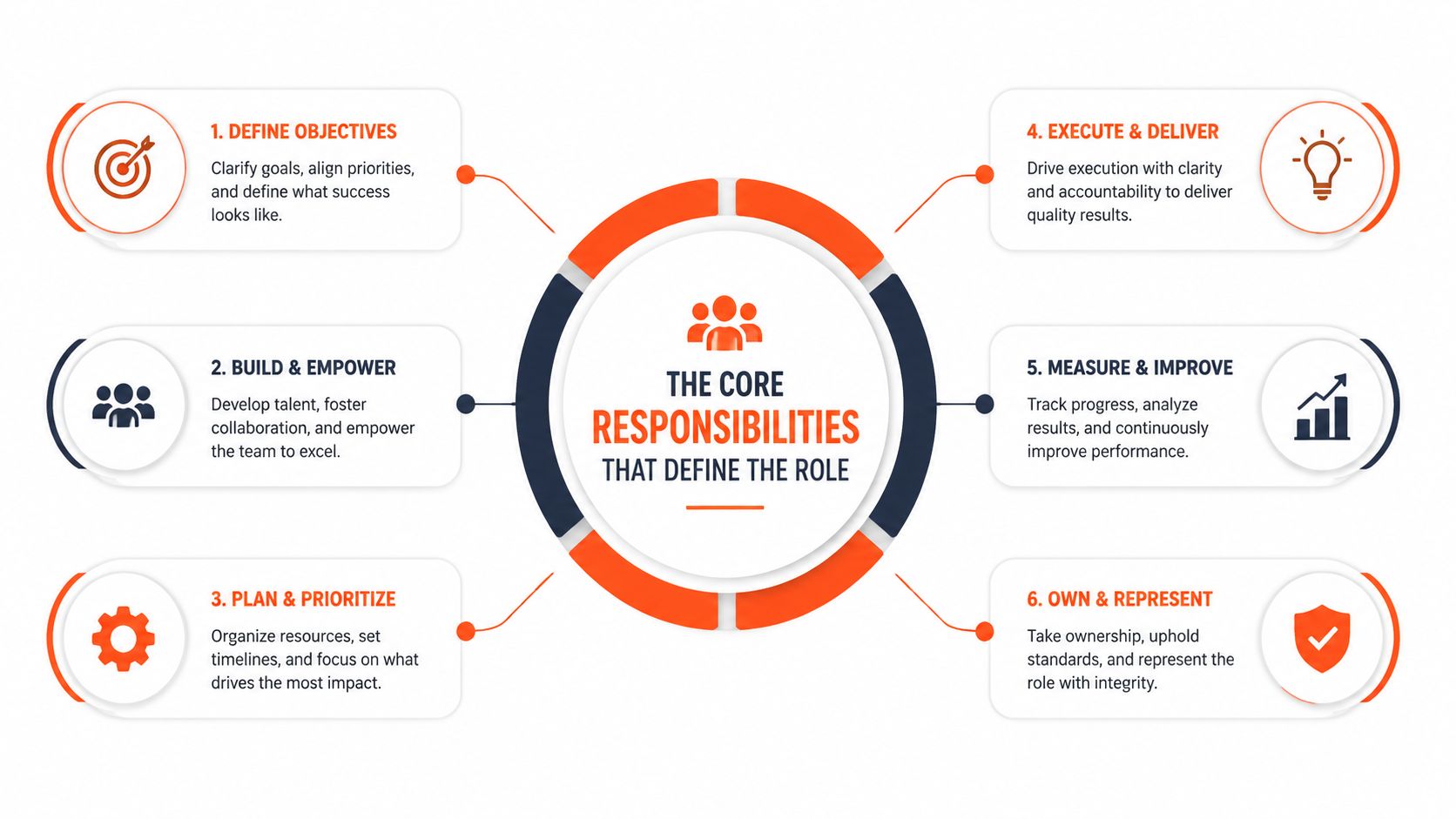
A good way to understand the duties of a marketing assistant is to map them to the workflow the team follows, instead of reading them as a loose list of errands. The role usually sits in four linked areas, administrative support, content coordination, data and reporting, and cross-functional communication. Each area hands work to the next, so the job functions like a relay rather than a stack of unrelated tasks.
This is the part many people notice first, but it only covers one part of the role. The assistant keeps calendars aligned, tracks deadlines, updates spreadsheets, organizes files, and handles the small logistics that help campaigns stay on track. A CRM cleanup before a launch may feel invisible, yet it prevents duplicate outreach, missing contacts, and confusion later in the pipeline.
The assistant often helps publish or schedule content, while someone else owns the larger strategy. That can mean uploading blog drafts, coordinating social captions, passing assets to a designer, or checking that a promotion is scheduled on the correct date. Many job descriptions also call for social media updates and help with event materials, which puts the assistant close to the daily flow of content production (Indeed marketing assistant job description).
Here the role starts to look less like general admin and more like growth operations. Current job descriptions commonly mention monitoring website and social media analytics, updating spreadsheets with statistical information, and tracking leads, conversion rates, website traffic, and social engagement. A strong assistant does more than copy numbers into a slide. They notice when a channel is falling behind and flag it early, so the manager can respond before the issue spreads through the next report.
Practical rule: if a task affects a weekly report, a campaign decision, or a launch deadline, it belongs in the assistant's scope.
The assistant also acts as the person who moves information between teams. They may ask sales for lead feedback, chase design for a revised banner, or send a manager a clean summary before a meeting. That coordination helps marketing managers keep campaigns moving, and it is one reason the role appears inside larger teams as a steady support function.
For a closer look at where execution support gives way to more owned campaign work, the breakdown of a marketing specialist is a useful comparison.
The best way to judge this role is to follow it through time, because the duties of a marketing assistant rarely happen in a neat order. One morning can start with inbox triage, move into reporting, shift to content scheduling, and end with database cleanup. The work is repetitive in some places, but the sequence matters because each task sets up the next one.
The day often begins with a quick scan of campaign performance and urgent messages. If a social post needs to be rescheduled or a landing page detail is wrong, the assistant catches it early and routes it to the right person. That same morning, they might update the CRM with new leads from a form fill, then pull a few notes for the manager's meeting.
By midday, the focus usually shifts to publishing tasks. A social caption gets scheduled, an email draft gets checked for links, or a set of assets gets uploaded to the right folder. In teams that move quickly, the assistant becomes the person who makes sure the right content gets into the right tool without breaking the timeline.
A good assistant protects the team from avoidable errors, not just from missed deadlines.
The weekly rhythm usually includes a report, a planning check-in, and some cleanup work. One day may be dominated by content scheduling, while another is spent pulling KPIs into a presentation deck or preparing notes for a campaign review. If there's an event or launch in the week, the assistant often handles the support tasks that keep details from slipping, like attendee lists, reminders, or final file checks.
The role becomes easier to evaluate once you see it as a series of handoffs. Data goes into a report, the report informs a review, the review changes the campaign plan, and the assistant helps close the loop. That's why the position isn't just about being organized, it's about being dependable at each point where marketing work turns into action.
The tool stack tells you a lot about what the role really is. A marketing assistant usually works across analytics, content scheduling, CRM updates, spreadsheets, and project tracking, which is why the job requires comfort with systems as much as with communication. The assistant isn't expected to build every dashboard or own every channel, but they do need to move information cleanly between platforms.
For a practical example of how KPI reporting gets organized, an Oviond marketing KPI dashboard is a useful reference point because it shows how scattered metrics can be brought into one reporting view.
Google Analytics or a similar web analytics tool helps the assistant check traffic trends and spot performance changes. A CRM such as HubSpot is where leads, contact records, and pipeline notes get maintained, which is why clean updates matter so much. Social schedulers like Buffer or Hootsuite support publishing, while email platforms handle campaign sends and list management.
Spreadsheets and BI dashboards are where the assistant often assembles the weekly view for managers. Project tools such as Asana or Trello keep deadlines visible, especially when multiple people are involved. If the team uses HubSpot heavily, a HubSpot assistant setup can show how CRM-heavy work maps to the role in practice.
| Tool Category | Examples | Primary KPI the Assistant Owns |
|---|---|---|
| Web analytics | Google Analytics | Website traffic |
| CRM | HubSpot, similar CRM platforms | Leads generated |
| Social scheduling | Buffer, Hootsuite | Social engagement |
| Email platform | Campaign sending tools | Email open and click-through rates |
| Spreadsheets and dashboards | Excel, Google Sheets, BI reports | Conversion rates |
| Project management | Asana, Trello | Campaign deadline adherence |
The important shift is that these tools don't sit in separate boxes. A CRM update can feed a report, a report can shape a meeting, and a meeting can change the next week's content plan. That makes the assistant's tool literacy part of the team's decision speed.
When teams need a cleaner operating system, some also use managed staffing partners. In that context, Virtustant is one option for sourcing and placing remote marketing support alongside payroll and compliance handling, which can matter when a founder needs speed and structure without building the hiring process alone.

Think of the marketing assistant as the hub of a wheel. The spokes are the designer, content writer, paid media specialist, sales team, and marketing leader, and the assistant helps keep information flowing between them. That doesn't mean they make every decision, it means they make sure the right updates reach the right people at the right time.
In the team, the assistant reports to a marketing manager, head of marketing, or director. Day to day, they work closely with whoever owns the active campaign, which might be a content writer, social media manager, or specialist in paid media. They also interact with sales when lead follow-up or campaign feedback matters.
The role gets confused with adjacent titles. A marketing coordinator often has a similar support profile but may handle more scheduling and vendor coordination. A marketing associate can lean more toward execution and broader campaign tasks, while a junior marketing analyst usually spends more time on data interpretation than coordination. The assistant is often closest to the workflow glue between those functions.
If a task requires stitching together inputs from three people and turning them into one clean update, it usually lives with the assistant.
The assistant is not usually the person defining channel strategy or approving budget reallocations. Those tasks belong higher up or in specialist roles. Their value is in the handoff, they take completed assets, updated records, and raw numbers, then package them into something usable by the manager or specialist.
A team with clear role boundaries runs better because the assistant knows what to own and what to escalate. That prevents overreach, but it also prevents underuse. When the scope is clear, the assistant can support execution without accidentally drifting into work that should belong to an analyst, coordinator, or channel owner.
If you're building this team across time zones, remote marketing specialist hiring in LATAM is a useful reference for thinking about collaboration, overlap, and role fit in a distributed setup.
A marketing assistant used to be treated as backup admin work. That version still exists in some teams, but the day-to-day job now reaches into reporting, campaign execution, and the systems that keep marketing work moving, such as Google Analytics and HubSpot. The shift is important because the role is no longer measured by whether it stays busy, it is measured by whether it helps the team produce visible, trackable output.
A better way to read the role is through workflow, not title. If a task involves collecting inputs, updating records, checking deadlines, and preparing clean handoffs, it sits in the same operational lane as growth work. That is why the position now looks more like a growth-operations role than a clerical one, especially in teams that want every campaign action tied to a metric or a follow-up. For a practical example of this kind of operational support, Satura AI for channel monetization reflects the broader set of tools that turn marketing activity into monitored workflow.
The market points in the same direction. The U.S. Bureau of Labor Statistics projects 6% growth from 2024 to 2034 for advertising, promotions, and marketing managers, faster than the average for all occupations, as noted in the Indeed marketing assistant job description. That kind of demand supports continued need for support staff who can handle campaign coordination, reporting, and data handling at scale. The practical implication is simple, the assistant is often the person keeping the operating rhythm intact while managers and specialists focus on decisions.
The mismatch usually starts with the job post. A team hires for an entry-level title, then expects the person to update systems, prepare reports, read dashboards, and keep campaigns on schedule without defining who owns what. That creates confusion fast, because the posting says “assistant” while the actual need is closer to junior operations support or analyst support.
Clear scope solves much of that problem. Employers should name the KPIs the assistant is expected to watch, the tools they will work in, and the point where a task gets handed off to a manager or specialist. Candidates should look for the same clarity. A role with fuzzy expectations can turn into a catch-all, and that usually means the assistant spends more time guessing priorities than supporting the work.
Good postings make the operating model visible. They name the reporting cadence, the core platforms, and the types of deliverables the assistant will touch, so the candidate can tell whether the role is about coordination, execution, or both.
That is the change in this job. The title may still sound administrative, but the work now sits inside marketing operations, where small tasks affect campaign timing, data quality, and team output. If the role is framed correctly, the assistant becomes a reliable part of the growth system, not a general catch-all.
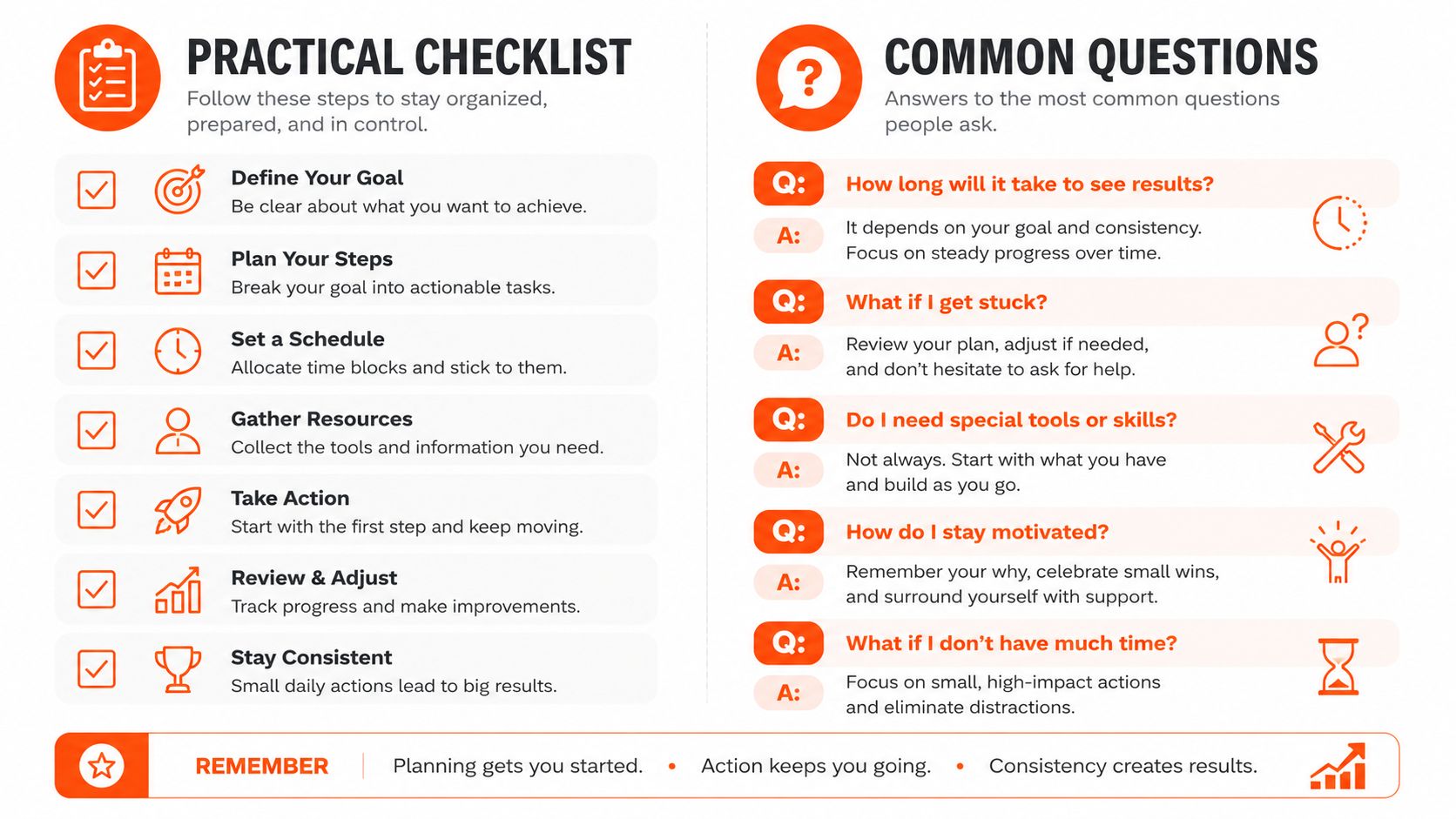
A strong marketing assistant usually needs three skill blocks, communication, attention to detail, and basic analytics. They also need to be comfortable with Google Workspace, social media platforms, and a basic CMS like WordPress. On the reporting side, the assistant should know how to track engagement rates, content output volume, and campaign deadline adherence without waiting for someone else to translate the numbers into action.
How is this different from a marketing coordinator? A coordinator often owns more scheduling and logistical coordination, while an assistant is usually broader in support and closer to day-to-day execution across content, data, and admin.
What career path does it lead to? The role often leads into marketing coordinator, specialist, or operations-focused work, especially for people who get comfortable with reporting and campaign support.
What should you expect from a candidate? They should be operationally steady. That means they can handle deadlines, manage tools without confusion, and keep communication clear when multiple people are involved.
Does the title always mean entry-level skill? Not really. The role can still be titled entry-level while requiring a more advanced mix of reporting, CRM work, and digital execution than many people expect.
If you're hiring and want a marketing assistant who can keep campaign work moving, Virtustant can source and place vetted remote talent across LATAM while handling contracts, payroll, and compliance in one managed process. Book a discovery call to see how that model can fit a marketing team that needs support without a long hiring cycle.